About Us
Brief Background and History
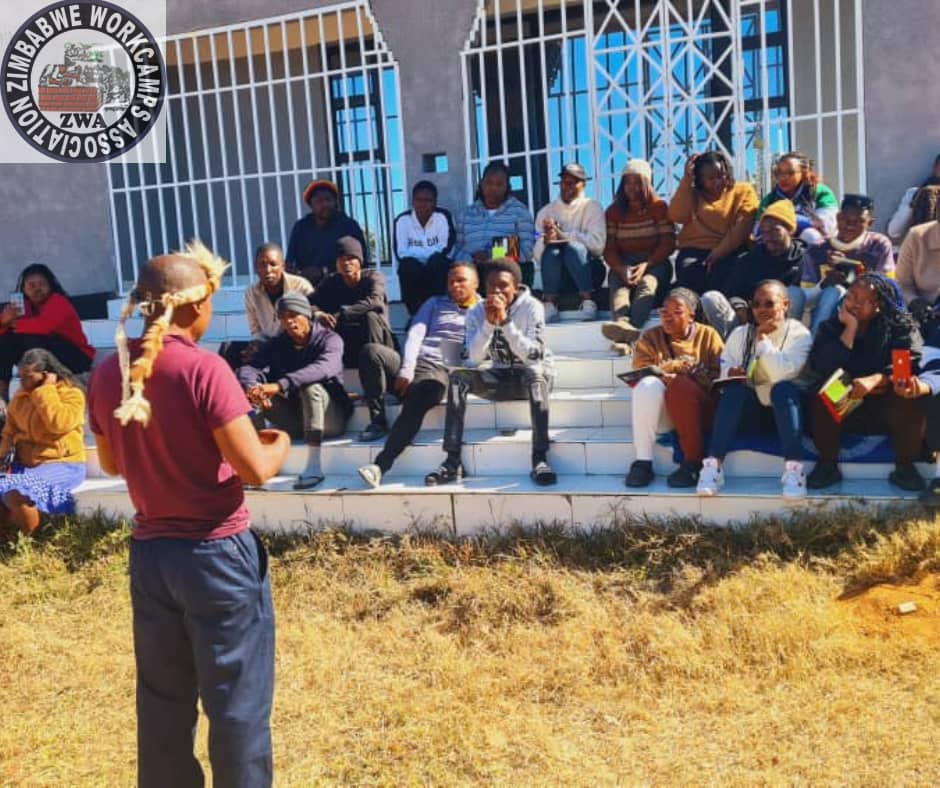
Who We Are
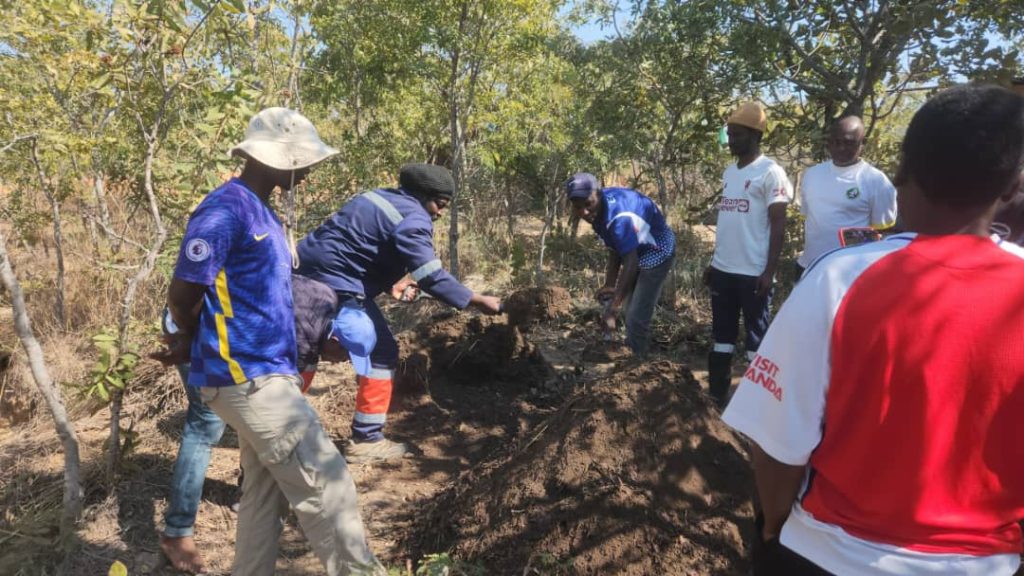
We strive to
- To assist with community development,
- Encourage the concept of voluntary service as a force in the search for peace, equality and international understanding,
- Enable young people to encounter and understand different cultures.
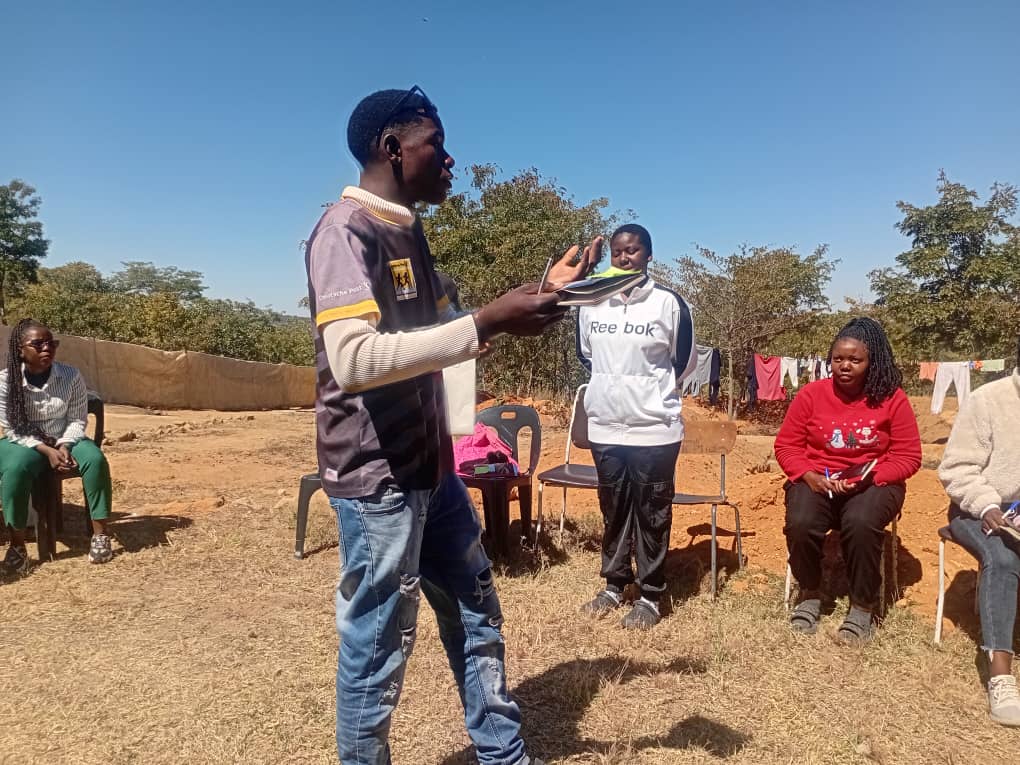
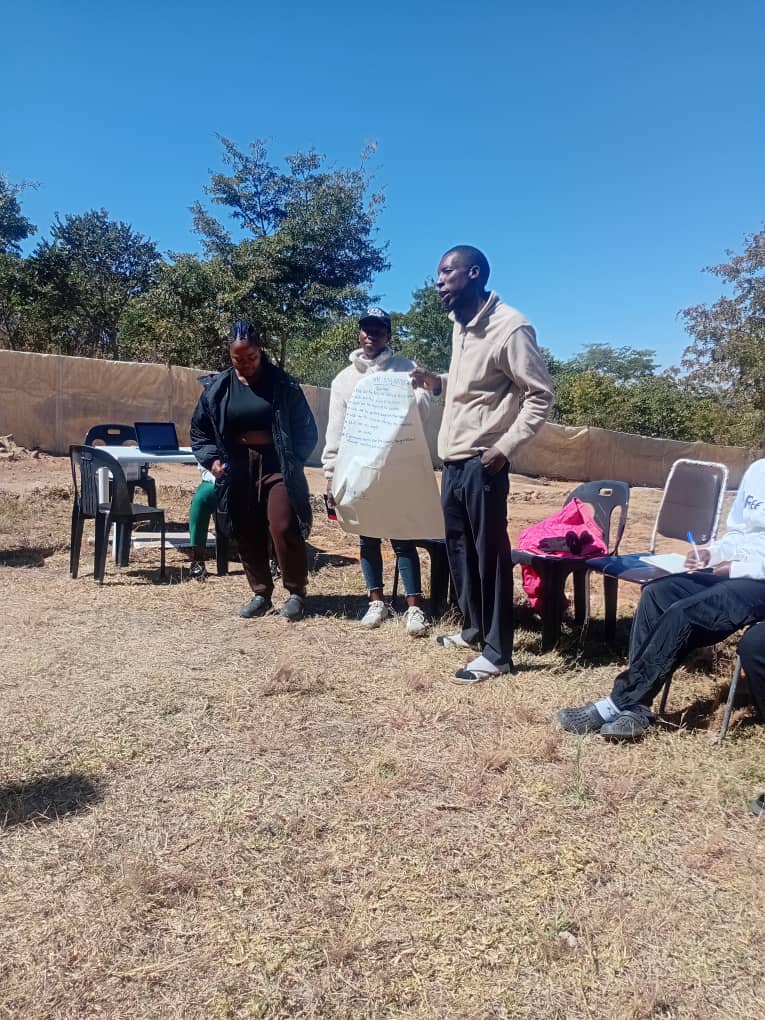
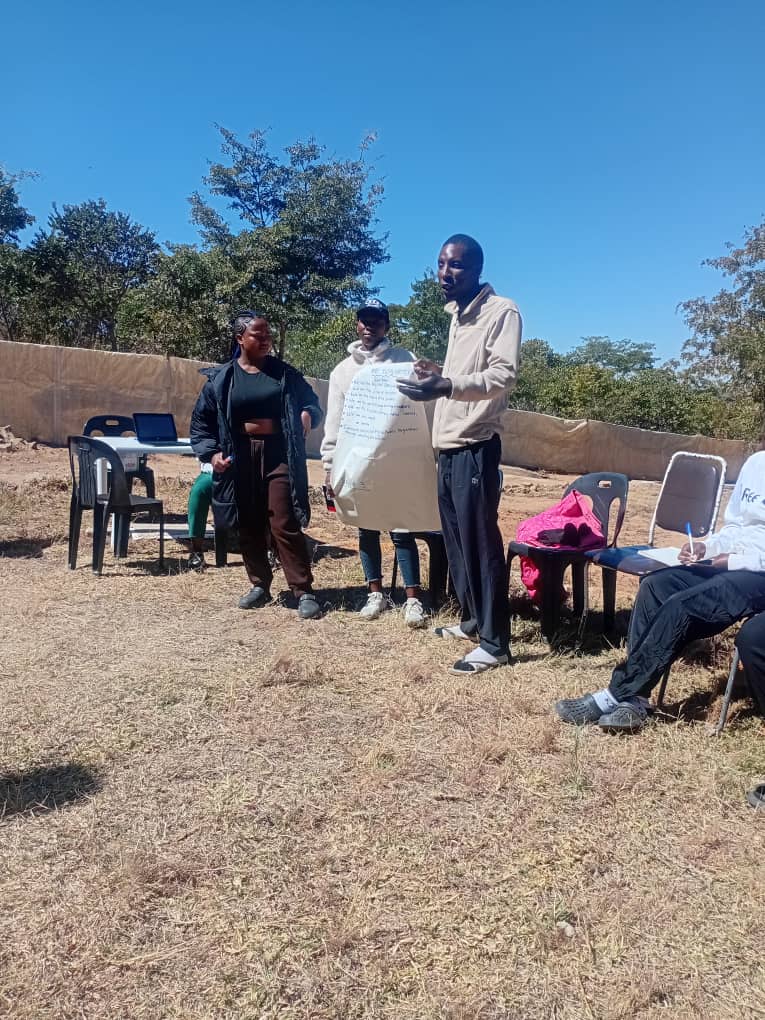
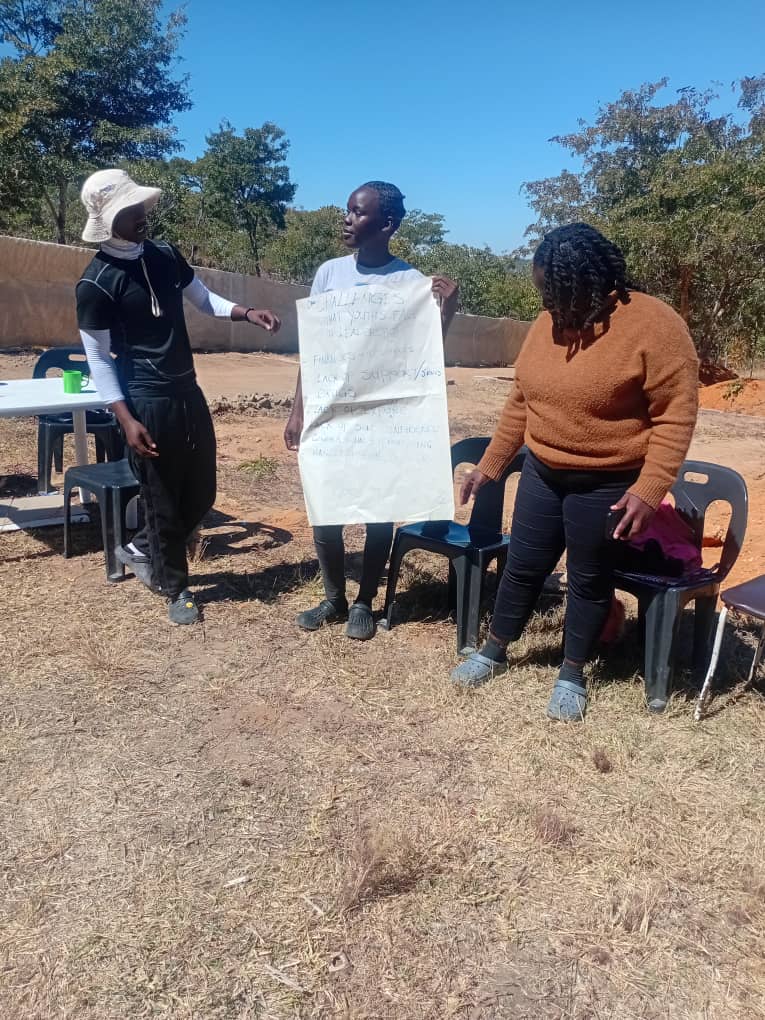
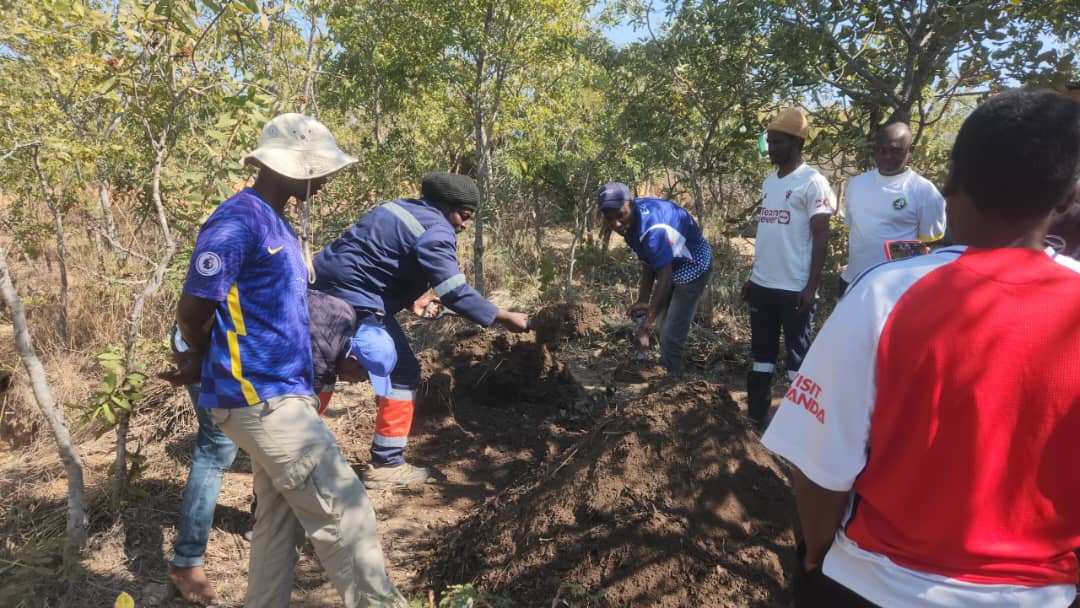
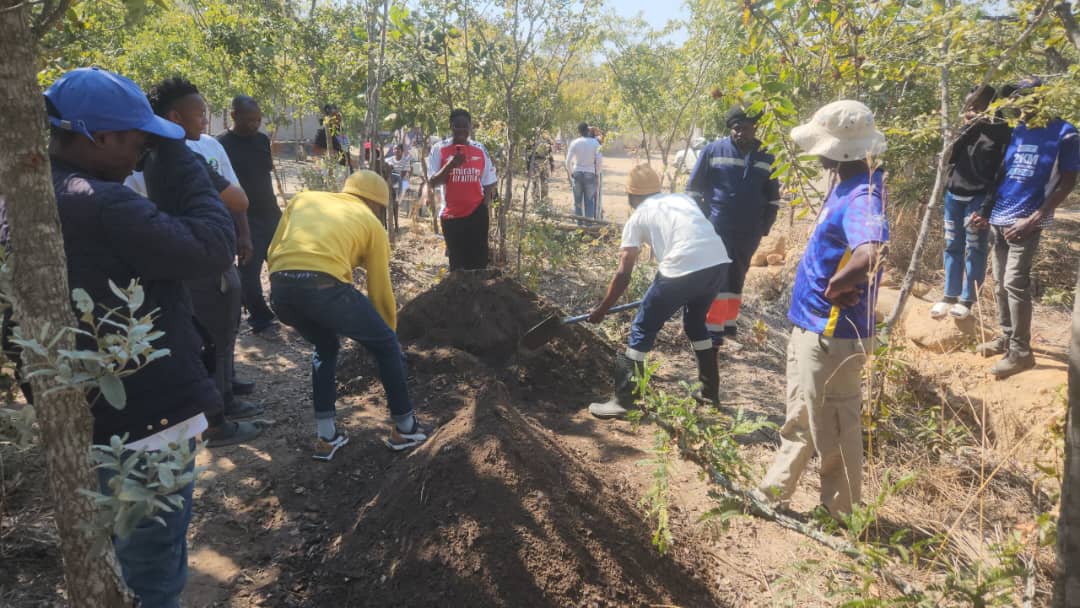
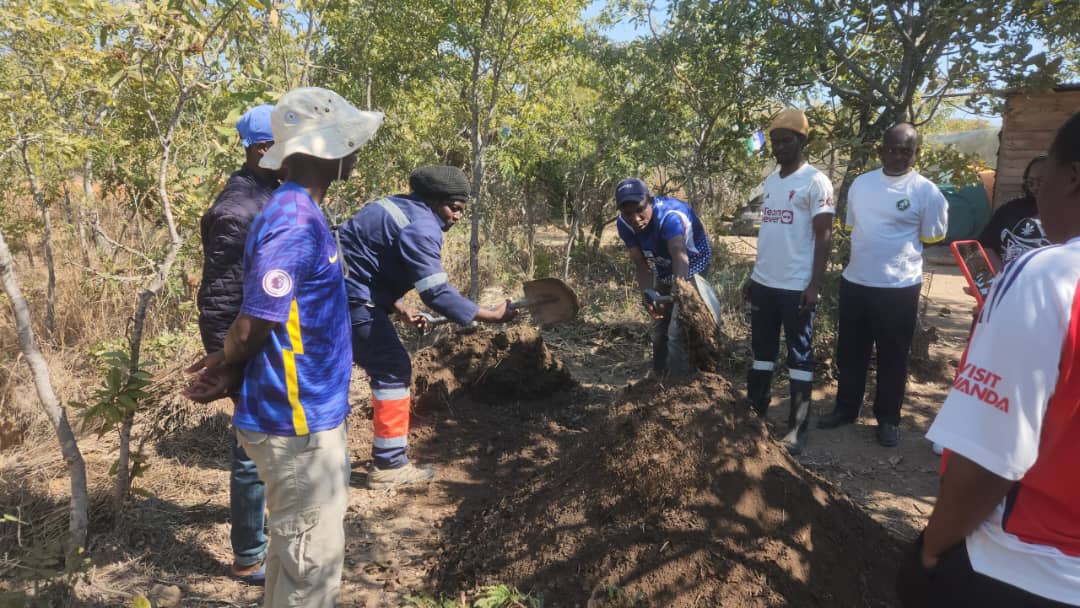
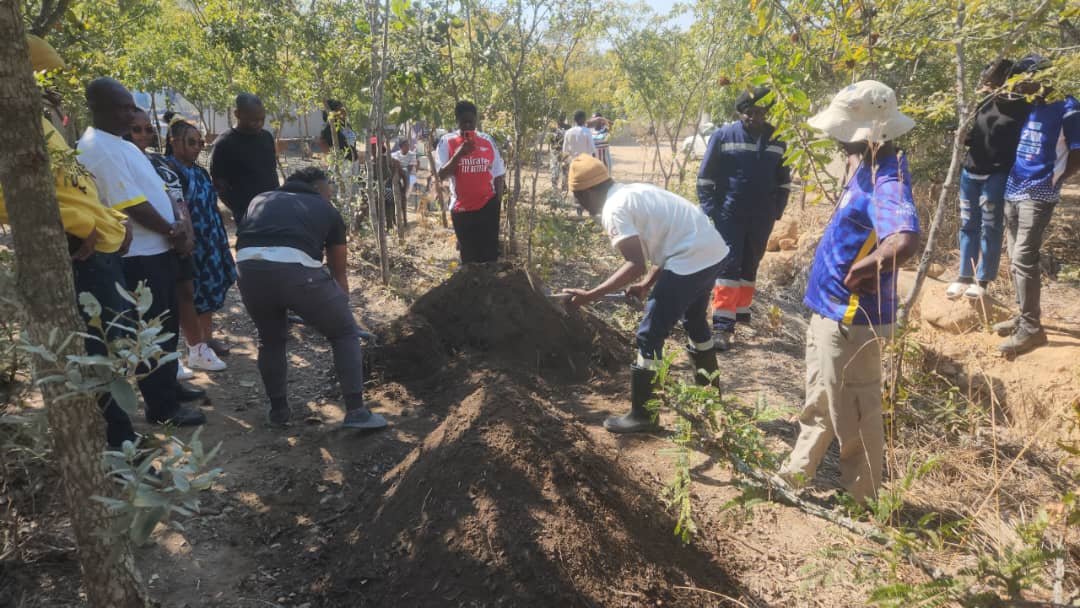
- Organize and run voluntary workcamps in Zimbabwe and in the region either independently or in collaboration with other voluntary organization or government departments.
- To promote peace, democracy, social justice, volunteerism and exchange of information, skills, and best shared practices.
Contact Info
- info@zimworkcamps.com
- Vitalis@zimworkcamps com
- Ratherford@zimworkcamps.com
- +263 242152826
- +263772460583
- +263 77 260 2294
Running Programmes
Project in Brief:
Die Deutsche Shule German in Harare, Zimbabwe offers German language lessons to young women and men coming from all walks of life in Zimbabwe. The main thrust for offering the language course is to equip young Zimbabwean with the language skills needed to negotiate entry into the German speaking countries, so as to study at Universities/Colleges, Apprenticeship as well as for Au-pair, Work and Family reunion. After every level (A1, A2, B1 and B2) students write the international Goethe Institute Examinations. The Die Deutsche Schule operates two schools in Zimbabwe one in Harare and the other in Bulawayo
Project in Brief: Nzeve Deaf Centre is an organization for deaf and hearing people. It was formally registered in 2005 but started its work in the 90s. The organization works to promote deaf culture and the inclusion of persons with disabilities in their communities. Our vision is to see the Deaf Community valued in an inclusive society. The Centre provides hearing tests and early childhood learning classes for deaf children so that they develop sign language and social skills before they join a mainstream school. Deaf youths come to the center for vocational skills in carpentry, building, sewing, and horticulture to prepare them for independent living. Livelihoods training is provided to the parents of deaf children and youths as well as other persons with disabilities in the Manicaland province. Disability/deaf awareness occupies a greater part of Nzeve’s work so that communities are inclusive and can support persons with disabilities to live quality life.
Project in Brief: Fambidzanai Permaculture Centre works towards achieving food secure Zimbabwe that depends on sustainable land-based food systems (permaculture). Activities thrive on skills training in sustainable agriculture methodologies. Trainings are supplemented by practical demonstrations illuminating the ecological and economy viability of permaculture. Creating enhancing and facilitating market opportunities for farmers produce remains a key mandate. FPC also focuses on climate justice and leadership with the primary objective of community development through training, awareness raising and advocacy.
Project in Brief: Lying within the Bulawayo City boundary, Hillside Dams Conservancy’s natural vegetation is still largely intact and includes a wide range of species and a diverse bird life. As a community-oriented project the area has been leased by a group of local residents with the aim of restoring it to being once again one of the prime recreational venues in Bulawayo, to be enjoyed by all of its residents. (www.hillsidedams.com)
Project in Brief: Tose is a center for children with multiple and severe disabilities. The center provides respite care rehabilitation and training for caregivers. Tose is a Shona word that means together. We Together Overcome disabilities and Problems, share success and sorrows and Encourage each other. Respite means rest. The home is unique in the sense that it offers relief to parents and guardians of the physical challenged as well as offering basic survival skills to the disabled. Most of them are regarded by the society, institutions and hospitals as lost hope.
Project in Brief: Bongai Shamwari Early Childhood Center, provides early education for kids from disadvantaged background from Chikanga and the surroundings communities in Mutare and Penhalonga. The philosophy for the Centre is a quality preschool education helps to build self-confidence, learn social skills and develop lifelong passion for education.
Project in Brief: United Children of Africa (UNICA) is a nonpolitical and non-religious NGO governed by a board of Trust, made up of competent development practitioners coming from diverse backgrounds. UNICA work in collaboration with numerous partners and local volunteer to deliver educational, health care and other support services to the community.